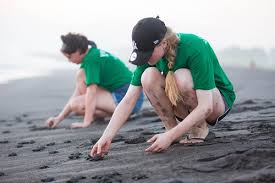
Recent trends indicate that more young adults are opting for Gap Year Volunteer Programs that emphasize education and health support. According to a global survey, nearly 62% of participants choose programs that allow them to make tangible contributions to schools, healthcare centers, and community health initiatives. This surge in interest can be attributed to a growing awareness of social responsibility and the desire for practical experience before pursuing higher education or professional careers. Programs focusing on education and health not only offer meaningful work but also foster personal growth, leadership skills, and intercultural understanding.
How Do Education-Focused Volunteer Programs Make an Impact?
Education-focused gap year programs are designed to support under-resourced schools, after-school tutoring, literacy campaigns, and teacher training. Statistics reveal that volunteers who engage in teaching support initiatives contribute to a measurable improvement in student learning outcomes. For example, programs that involve teaching English or STEM subjects in underserved regions report that 70% of students show enhanced performance in critical subjects. Volunteers often assist in curriculum development, classroom management, and mentoring, which directly helps local educators enhance the quality of education provided.
What Role Do Health Support Programs Play in Community Wellbeing?
Health-focused volunteer programs address pressing public health needs, ranging from community clinics to vaccination campaigns. Data from international volunteer organizations suggest that regions benefiting from volunteer-led health initiatives have seen a 35% increase in access to basic healthcare services. Volunteers may assist in patient education, health awareness workshops, and support for nurses and medical staff. Such engagement not only improves immediate health outcomes but also builds long-term resilience in local healthcare infrastructure.
Which Skills Do Volunteers Gain From Education and Health Programs?
Participating in gap year programs focused on education and health equips volunteers with a diverse skill set. Surveys indicate that over 80% of volunteers report improvements in communication, problem-solving, and project management skills. Additionally, exposure to diverse cultural and socio-economic settings enhances adaptability and empathy. These experiences are highly valued by future employers and educational institutions, as they demonstrate the ability to work in challenging and multicultural environments.
Are There Measurable Benefits for Host Communities?
Yes, the benefits for host communities are significant. Data shows that communities hosting volunteers for education and health initiatives experience higher literacy rates, improved school attendance, and better overall health metrics. For instance, literacy programs run by gap year volunteers can boost reading and numeracy proficiency by up to 40% among participating children. Similarly, health support programs contribute to increased vaccination coverage, better hygiene practices, and reduced incidence of preventable diseases.
What Makes Gap Year Volunteer Programs Sustainable and Effective?
Program sustainability is increasingly a focus in volunteer planning. Successful programs are those that collaborate closely with local authorities and communities to ensure long-term benefits. According to research, programs that emphasize local engagement and skills transfer are 50% more likely to have a lasting impact. Volunteers are trained not only to assist but also to empower local staff, ensuring that initiatives continue even after their placement ends.
How Can Aspiring Volunteers Choose the Right Program?
Selecting a gap year program requires careful consideration of personal goals and community needs. Statistics suggest that volunteers who align their skills with program requirements report higher satisfaction and effectiveness. Key factors include program duration, location, type of work, and the level of training and support provided. Aspiring volunteers are advised to review impact reports, speak with past participants, and consider programs that offer a balance of learning, service, and personal growth.
Conclusion: Why Should Education and Health Volunteer Programs Be a Priority?
Gap year volunteer programs that focus on education and health not only equip participants with invaluable skills but also create measurable improvements in community wellbeing. With evidence showing tangible benefits for both volunteers and host communities, these programs represent a strategic approach to social development. For young adults seeking meaningful experiences during a gap year, education and health support programs provide a unique opportunity to make a lasting difference while gaining personal and professional growth.